Global energy supply chains continue to face uncertainty and fuel prices remain vulnerable to international disruptions. The importance of strengthening domestic energy security has become more urgent for countries like India.
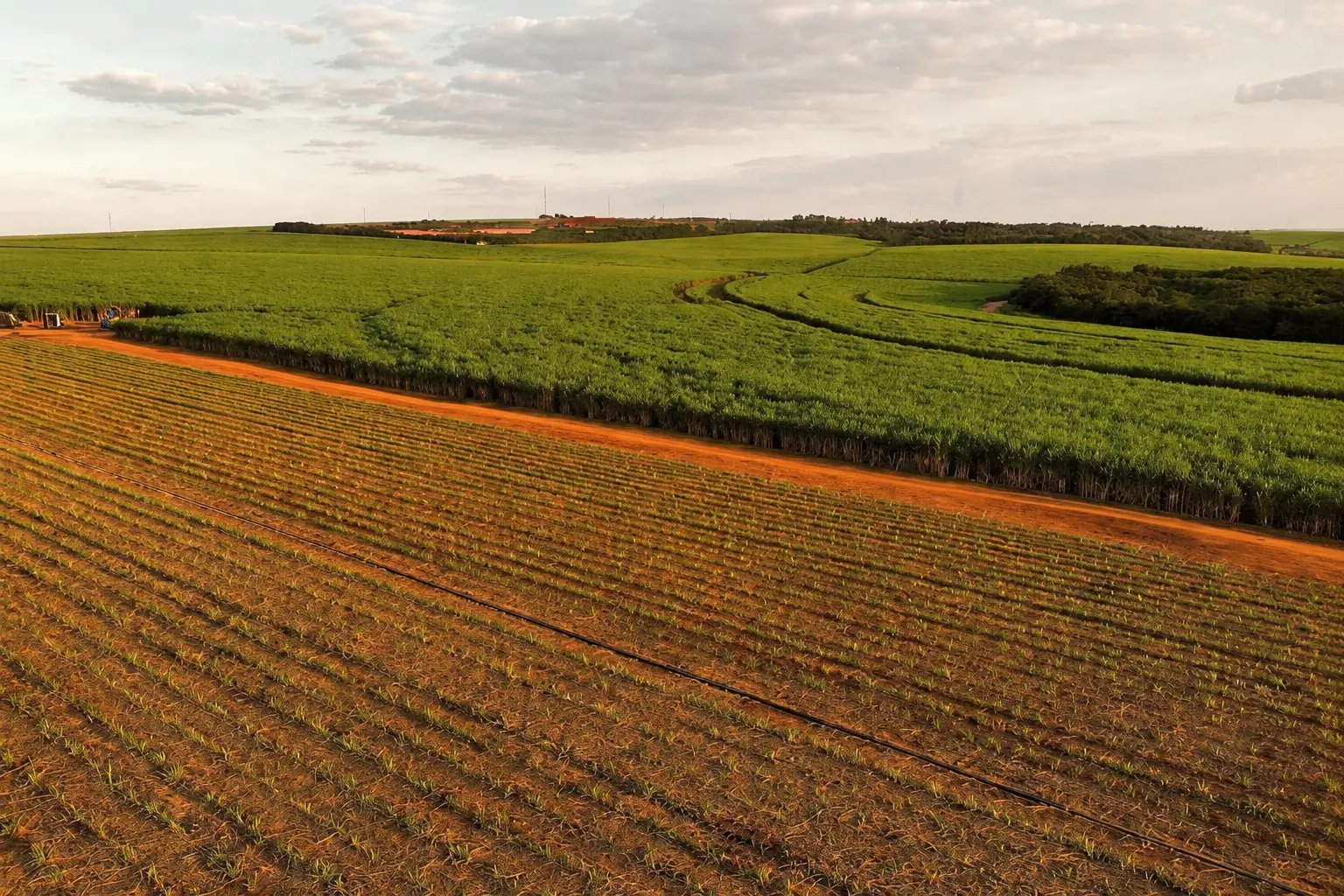
While India continues to search for scalable and sustainable energy alternatives, one of its largest untapped resources already exists within its own waste streams. Every year, enormous volumes of agricultural residue, food waste, sewage sludge, and organic municipal waste are generated — much of which remains underutilised or poorly managed.
This creates an important intersection between two major national challenges: energy security and waste management. What is often treated purely as a disposal problem can also become a valuable energy resource when supported by the right technology and infrastructure ecosystem.
India produces nearly 750 million tonnes of agricultural biomass a year, of which around 230 million metric tonnes is estimated to be surplus biomass. If collected and processed efficiently, this mass alone has the potential to offset a meaningful share of India's fossil fuel dependence — with some estimates suggesting it could replace nearly one-third of fuel imports.
However, converting biomass into usable energy is complex. Unlike conventional fuels, biomass is highly inconsistent in nature — moisture levels vary, density differs across feedstocks, and ash content can fluctuate significantly. This affects combustion efficiency, transport economics, emissions performance, and industrial reliability. Most energy systems require stable and predictable fuel inputs, which raw biomass often cannot provide on its own.
As a result, the focus is increasingly on technologies that can convert waste into cleaner, more manageable, and energy-efficient forms. This is where gasification and anaerobic digestion are becoming important — the bridge between raw waste and usable energy infrastructure.
Gasification is particularly effective for dry biomass such as crop residue, husk, woody waste, and other solid organic materials. Inside a gasifier, the feedstock is dried, pyrolysed, partially oxidised, and then reduced — biomass breaks down into gases, biochar, and tars at 800–1,000°C. The outcome is syngas: a mixture of carbon monoxide, hydrogen, carbon dioxide, and smaller amounts of methane.
Syngas is valuable because it is versatile. It can be used directly to generate heat or power, or can be upgraded into renewable methane, methanol, ethanol, and even hydrogen depending on downstream applications.
While gasification is more suitable for dry biomass, wet organic waste requires a different treatment pathway. Anaerobic digestion is highly relevant for sewage, food waste, animal manure, and industrial organic waste streams.
In this process, microorganisms break down waste in the absence of oxygen to produce biogas (mainly methane and CO₂), along with nutrient-rich digestate that can be used as a soil amendment.
This is why anaerobic digestion is relevant across urban waste systems, sewage networks, dairy clusters, food processing units, industrial campuses, and even large-scale canteens where wet waste is generated consistently. At smaller scales, it can support rural and semi-urban communities. However, unlike thermal systems, anaerobic digestion depends on a continuous biological process — requiring consistent feedstock availability for reliable round-the-clock output.
The larger opportunity for India may not lie in choosing one technology over another but in integrating them intelligently. Matching the right feedstock with the right technology is essential — forcing wet waste into gasifiers or dry biomass into digesters reduces efficiency and increases operational challenges.
Such an approach also strengthens the case for decentralised energy systems. India does not only need large centralised plants — it also requires smaller distributed systems that can support rural industries, agro-processing clusters, MSMEs, and waste-heavy regions where transporting biomass over long distances is economically inefficient. Localised energy systems can convert local waste into local energy, lowering fuel costs while improving energy access and waste management outcomes.
For this ecosystem to scale effectively, policy support is crucial. Without the right enablers, neither gasification nor anaerobic digestion can achieve their full potential:
- Waste segregation at source — without proper segregation, feedstock quality degrades and conversion efficiency drops significantly.
- Decentralised infrastructure development — enabling smaller distributed plants across agro-processing clusters, MSMEs, and rural areas.
- Stronger carbon markets — biochar and carbon capture from gasification create significant sequestration potential that needs to be monetised.
- Long-term regulatory clarity — without policy certainty, investors and operators often hesitate to commit capital at scale.
Initiatives such as the Government of India's SATAT scheme have already demonstrated how biomass can be converted into biogas and upgraded into compressed biogas, replacing natural gas across applications. At the same time, where the objective is to produce ethanol, methanol, or hydrogen, syngas is emerging as a critical pathway.
India's energy future cannot rely only on imported fuels.
The country already possesses a large and underutilised resource base — its own waste.
The challenge now lies in building the right technologies, infrastructure, and policy ecosystems.
.png)