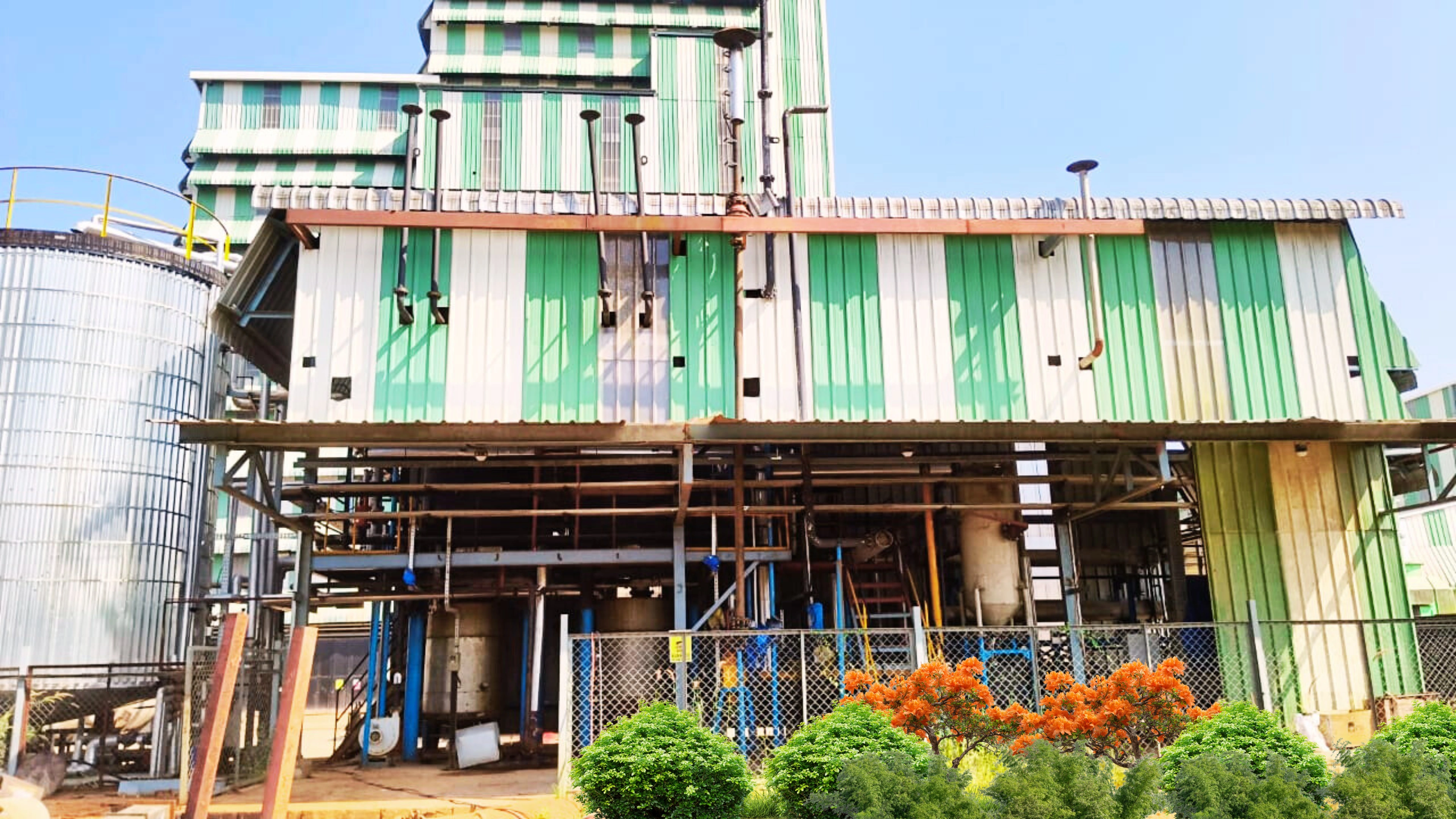
A Pyrolyzer is a thermochemical reactor that decomposes organic material at high temperatures in the absence of oxygen, producing char, pyrolysis gas and oil. Its applications are versatile across energy, agriculture, and waste management.
A pyrolyzer works on pyrolysis, which is the thermal decomposition of organic material in the absence of oxygen. Because there’s no oxygen, the material doesn’t burn; instead, it breaks down into solid, liquid, and gaseous products.
Feedstock Preparation – Dry and size organic waste.
Introduce material into an oxygen-free reactor.
Provide heat; material breaks into char, pyro-gas which is condensed into oil and part gas is used in the process.

Collect char and condensed oil.
Pyro-gas can be used to heat the reactor.
Feedstock: Plastic, Glycerin Pitch, Hazardous waste, Chemical Rasins, Oily Sludge, “Digested” from Bio CNG plant.
Pyrolysis offers a sustainable solution for treating organic and inorganic wastes such as industrial and plastic waste, converting them into valuable products like char, oil, and gas — while minimizing landfill use and environmental impact.
Read More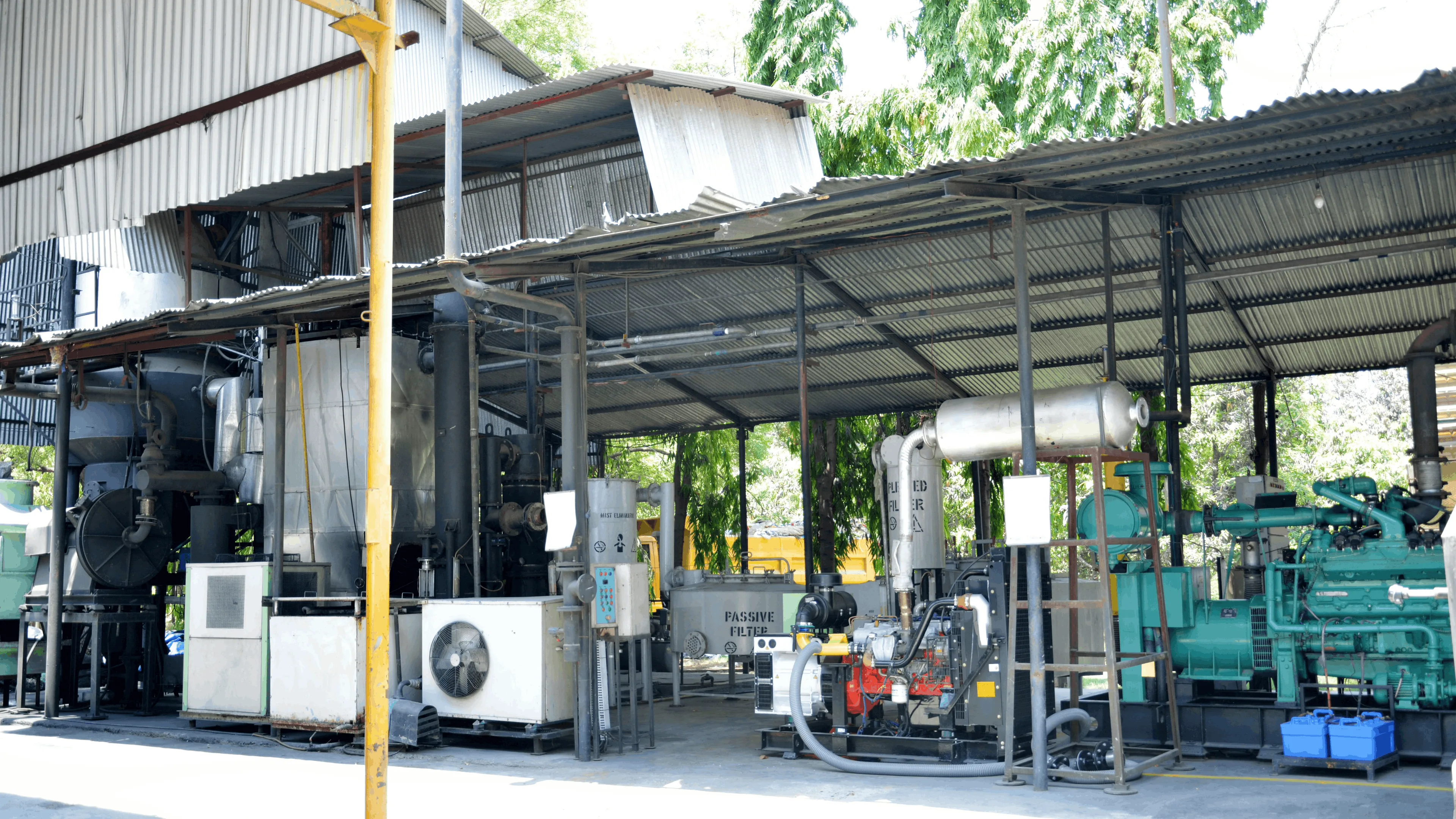
The gas and oil from pyrolysis can be used as renewable fuels for heat or power generation, providing an energy-efficient and low-emission alternative to conventional fuels.
Read More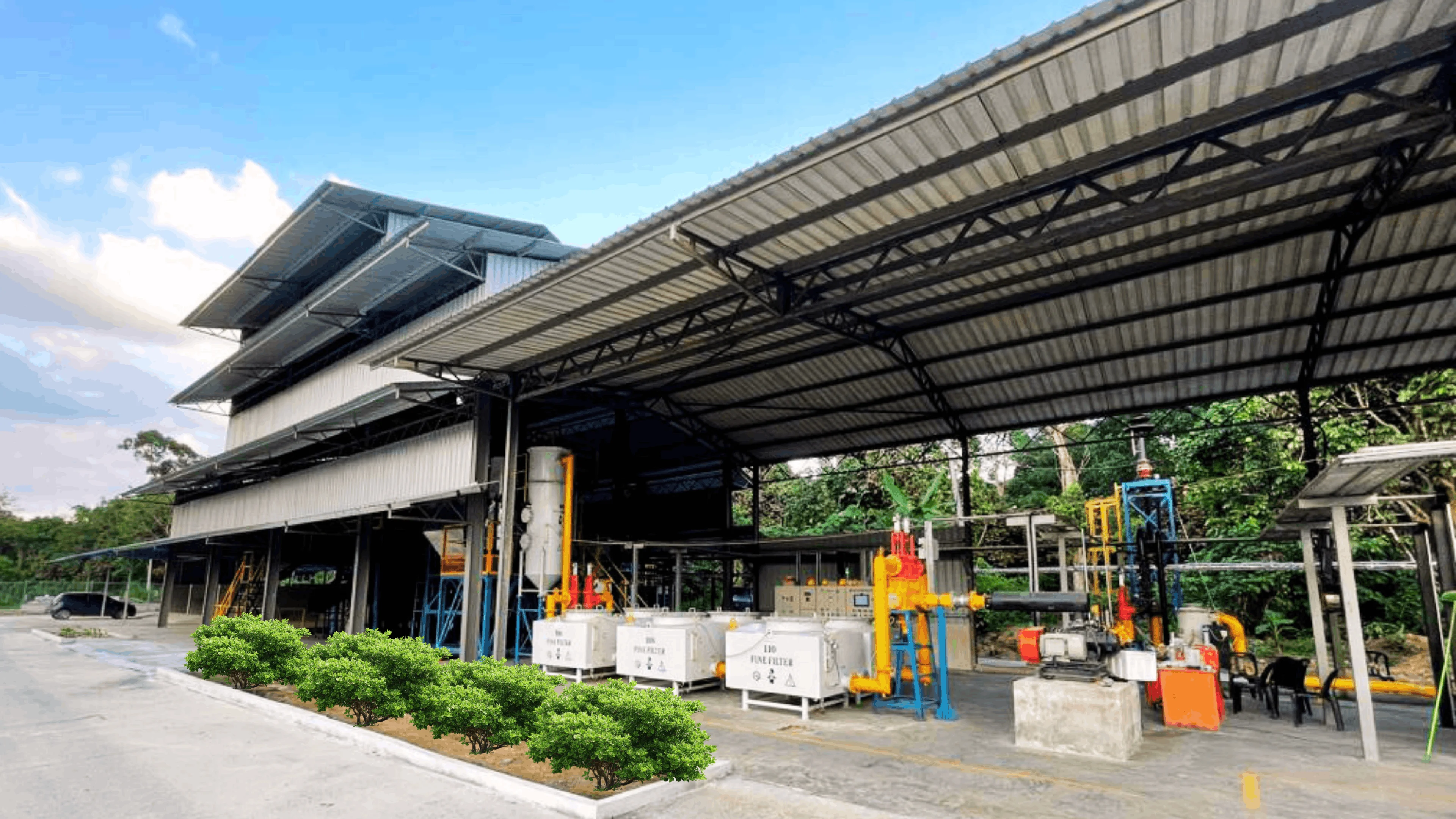
Char produced from pyrolysis can be used for carbon sequestration, soil improvement, and pollution control—supporting cleaner environments and carbon credit opportunities.
Read More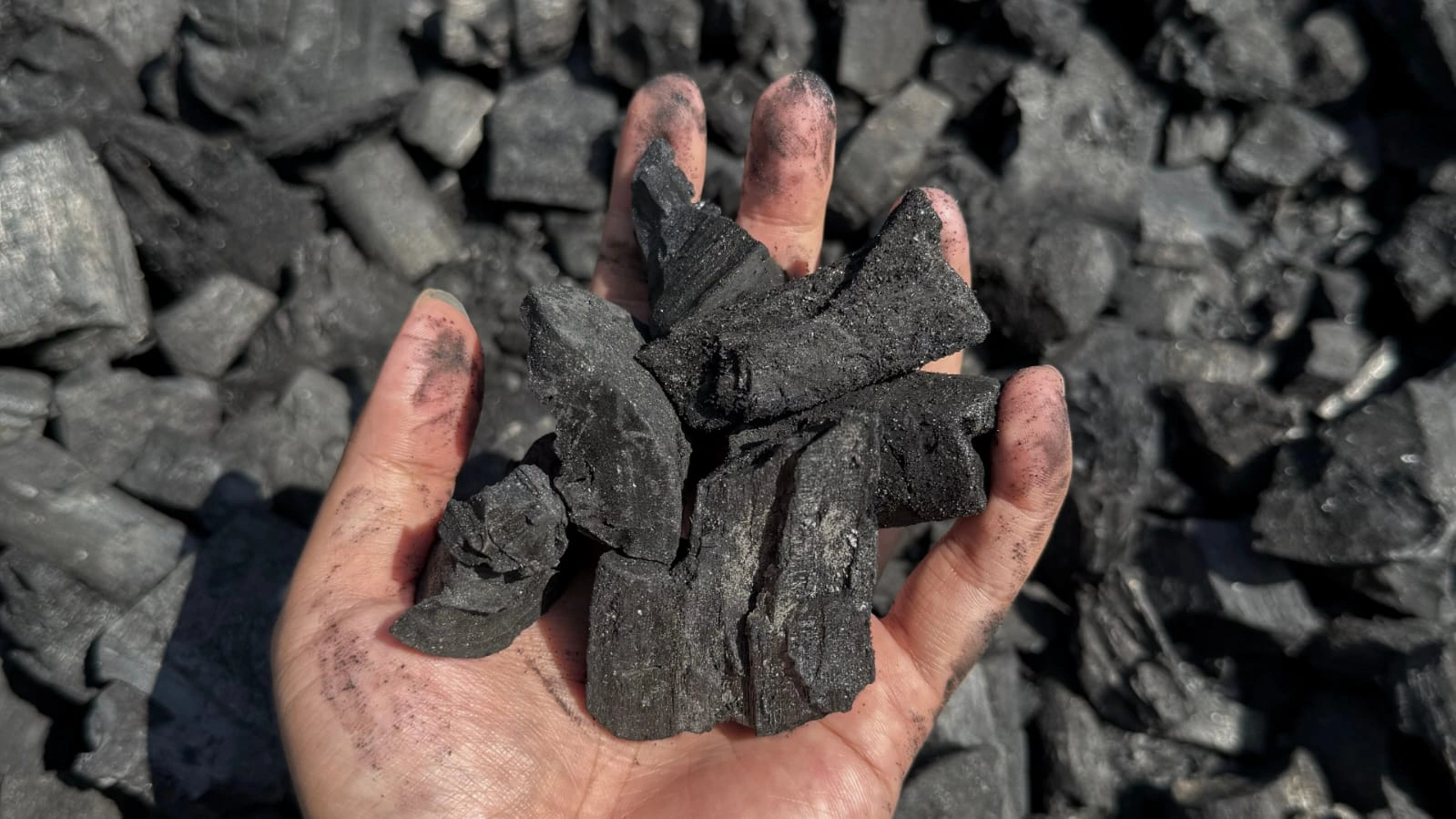
.png)