WHAT IS BIOCHAR?

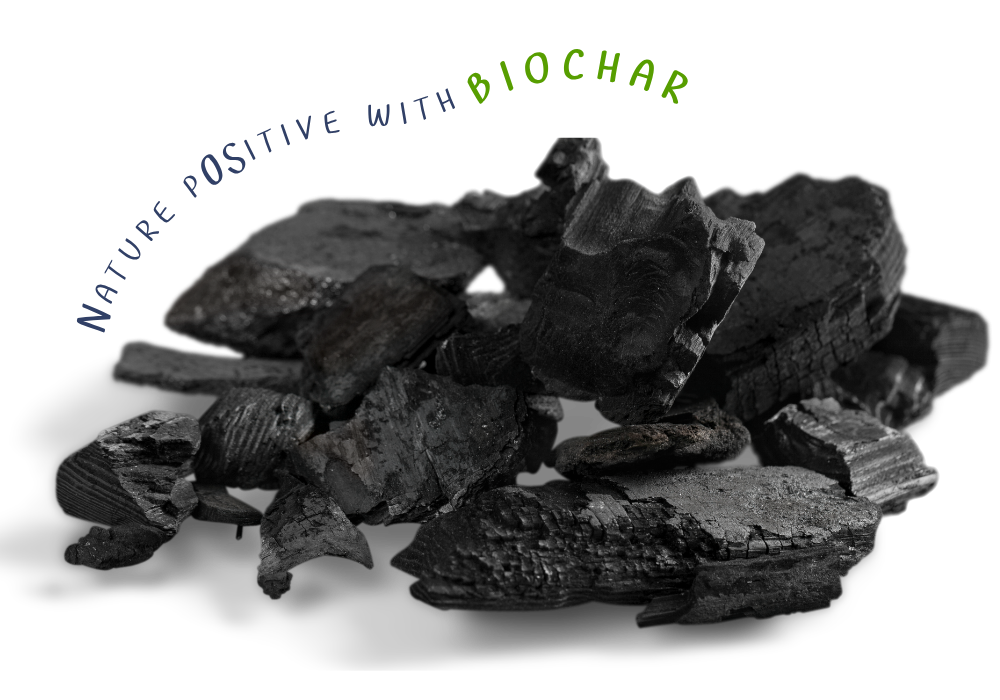
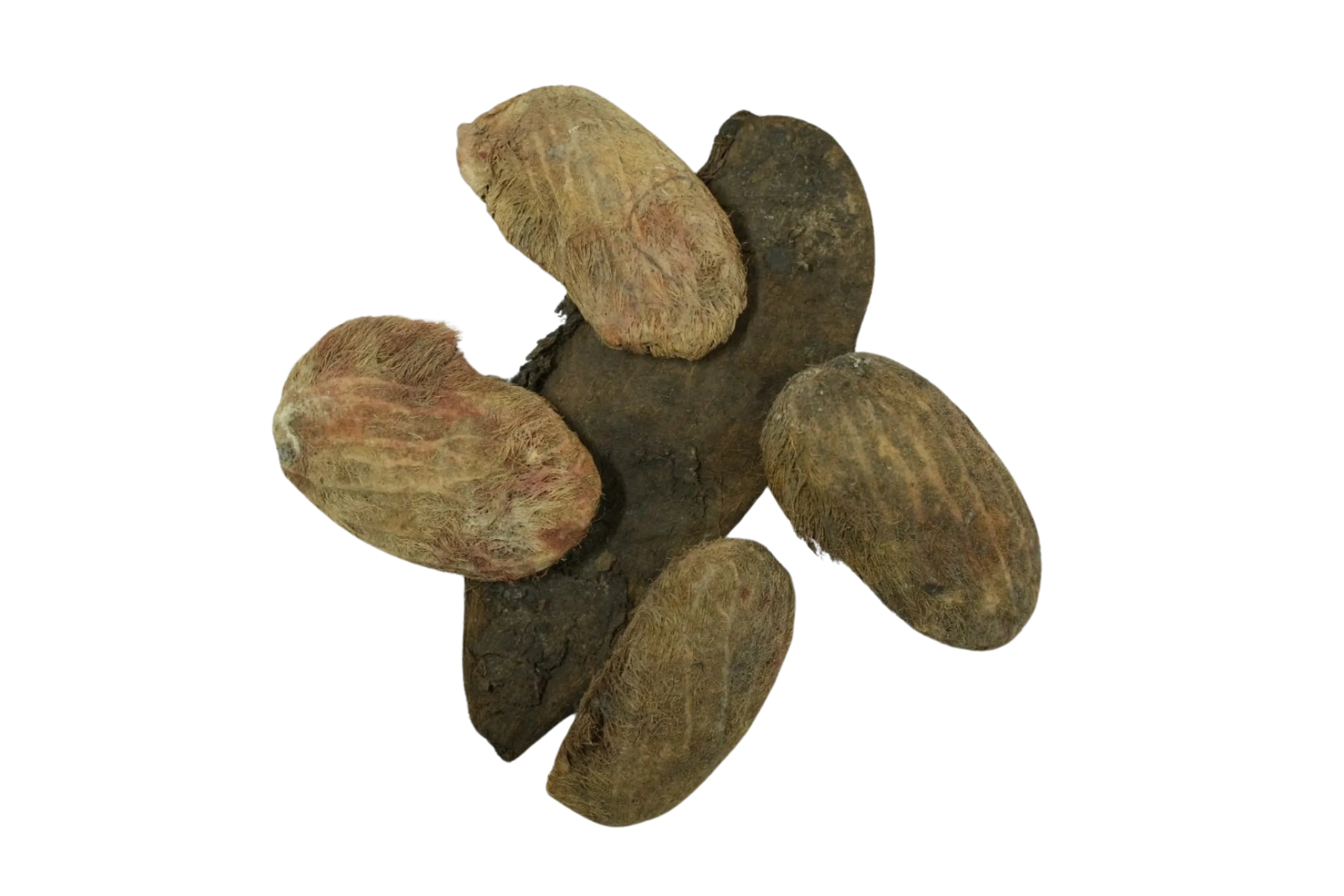
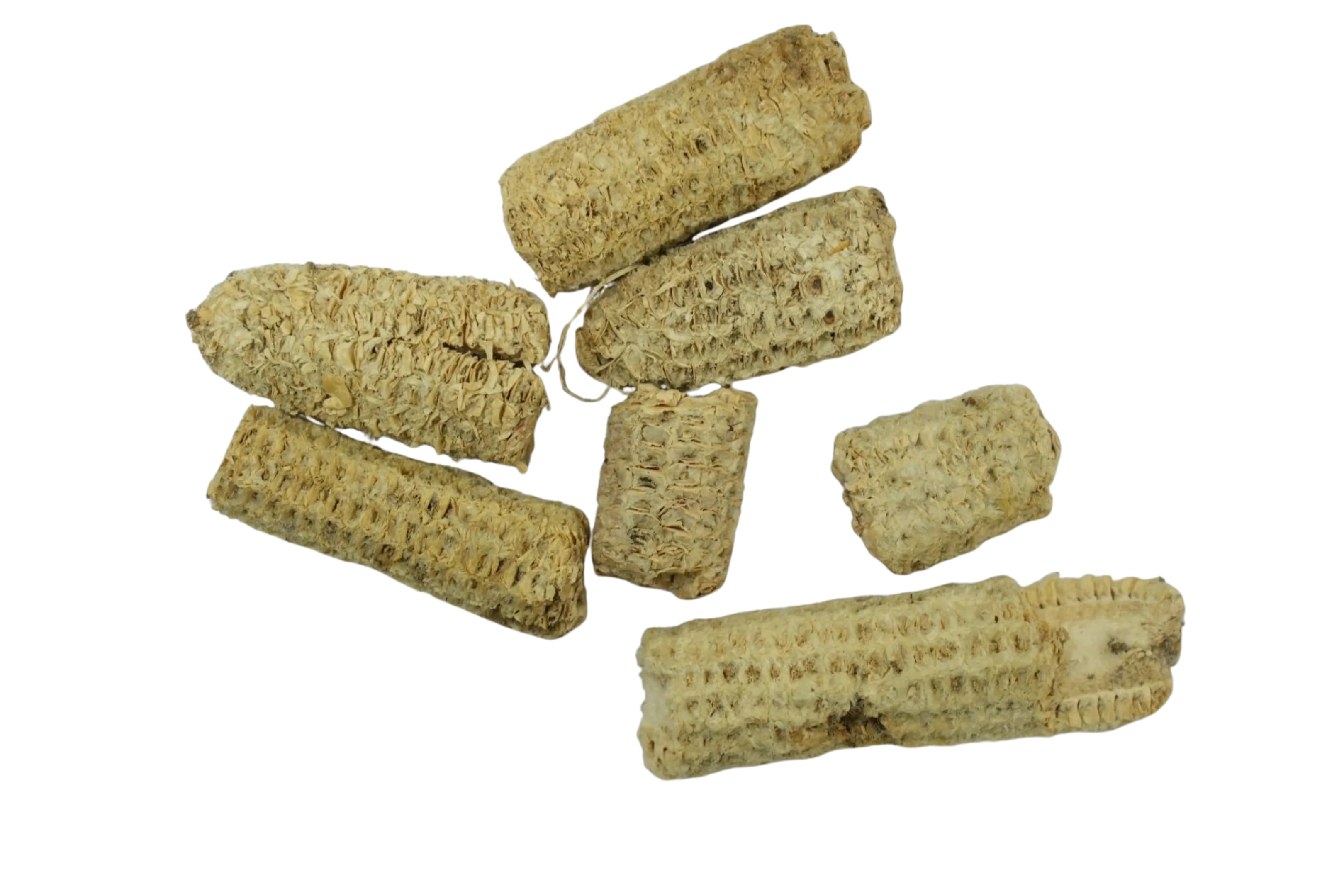
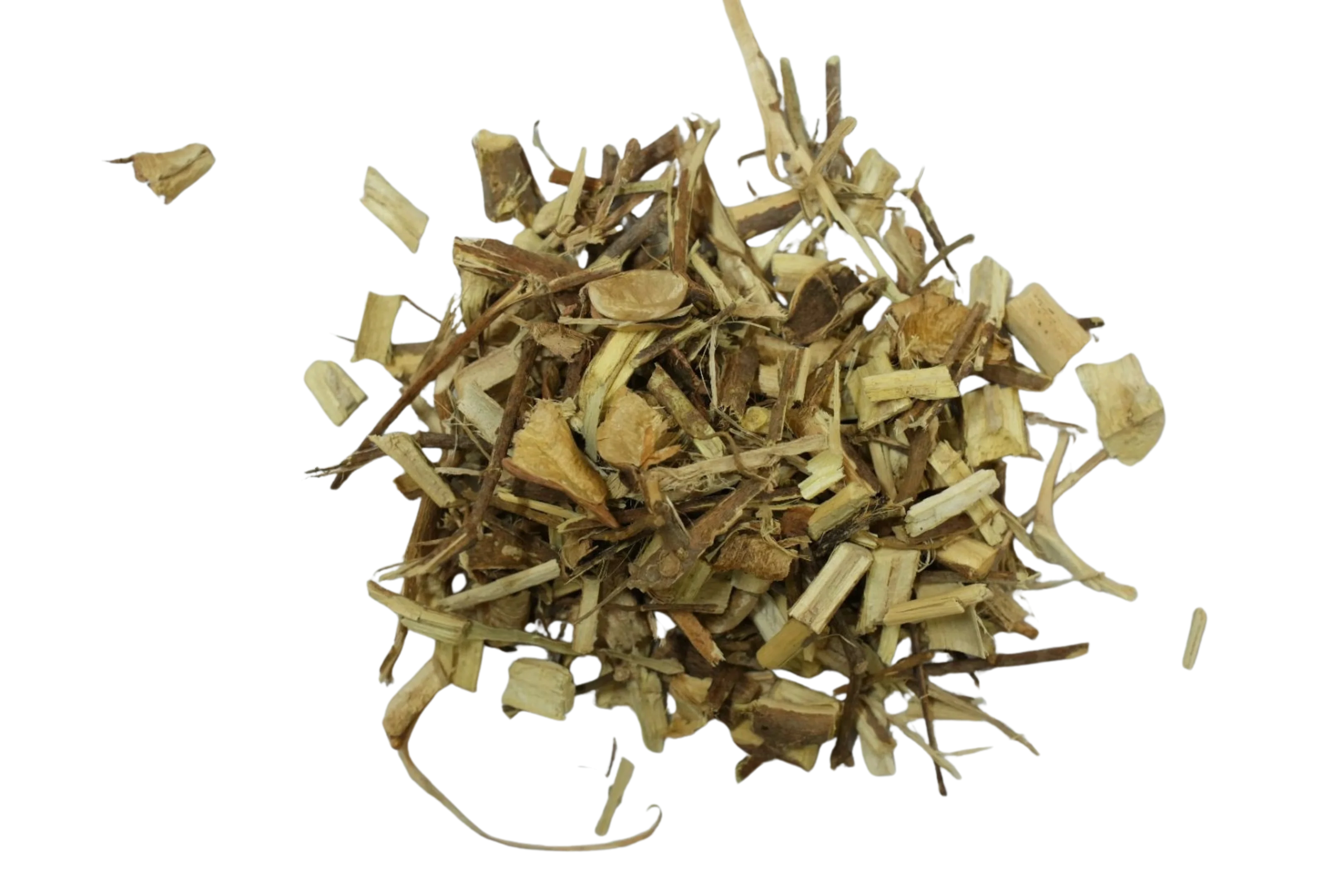
Biochar is a fine-grained, highly porous material produced from biomass such as agricultural by-products, forestry residues, and solid waste (e.g., sewage sludge).

It is created through high-heat, low-oxygen processes like pyrolysis or gasification. Biochar is recognized as one of the most cost-effective solutions for permanently mitigating climate change today.

Biochar Image

HOW BIOCHAR SEQUESTERS CARBON?

Biochar Image

HOW BIOCHAR SEQUESTERS CARBON?

  • Biomass absorbs CO₂ first: Plants capture carbon dioxide from the atmosphere during photosynthesis and store it in their structure.
  • Conversion to biochar locks carbon: Through pyrolysis (heating biomass in low oxygen), this carbon is transformed into a stable, solid form—biochar.
  • Prevents carbon from returning to air: Unlike burning or decomposition (which release CO₂ back), biochar retains most of the carbon in a fixed state.
  • Highly stable structure: Biochar has an aromatic, carbon-rich matrix that resists microbial breakdown, allowing it to persist for hundreds to thousands of years.
  • Soil application stores carbon long-term: When added to soil, biochar acts as a long-term carbon sink, effectively removing CO₂ from the atmospheric cycle.
  • Reduces additional emissions: Biochar-amended soils can lower emissions of methane (CH₄) and nitrous oxide (N₂O), further enhancing climate benefits.
  • Enables carbon-negative systems: When combined with renewable feedstocks and clean processing, biochar systems can remove more carbon than they emit.

USES OF BIOCHAR

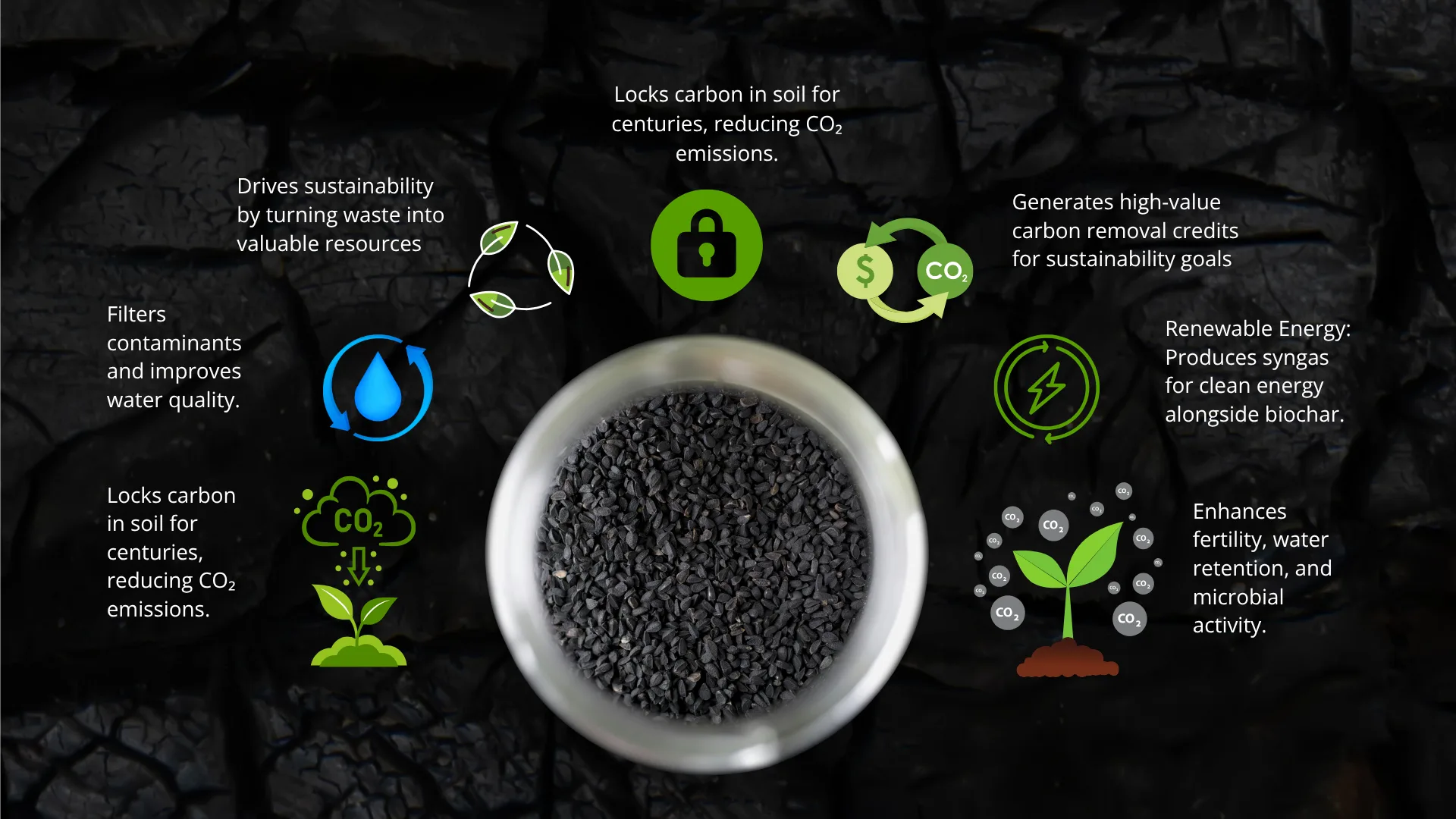
  • Soil Health: Improves soil structure, moisture retention, and nutrient availability
  • Carbon Sequestration: Locks carbon in a stable form for long-term climate impact
  • Waste Management: Converts organic waste into a valuable resource
  • Water Filtration: Acts as an effective medium for removing contaminants
  • Industrial Applications: Used in construction materials, fillers, and energy systems
Biochar Image

🌿 PYRO GASIFICATION: AN ANKUR INNOVATION 🌍

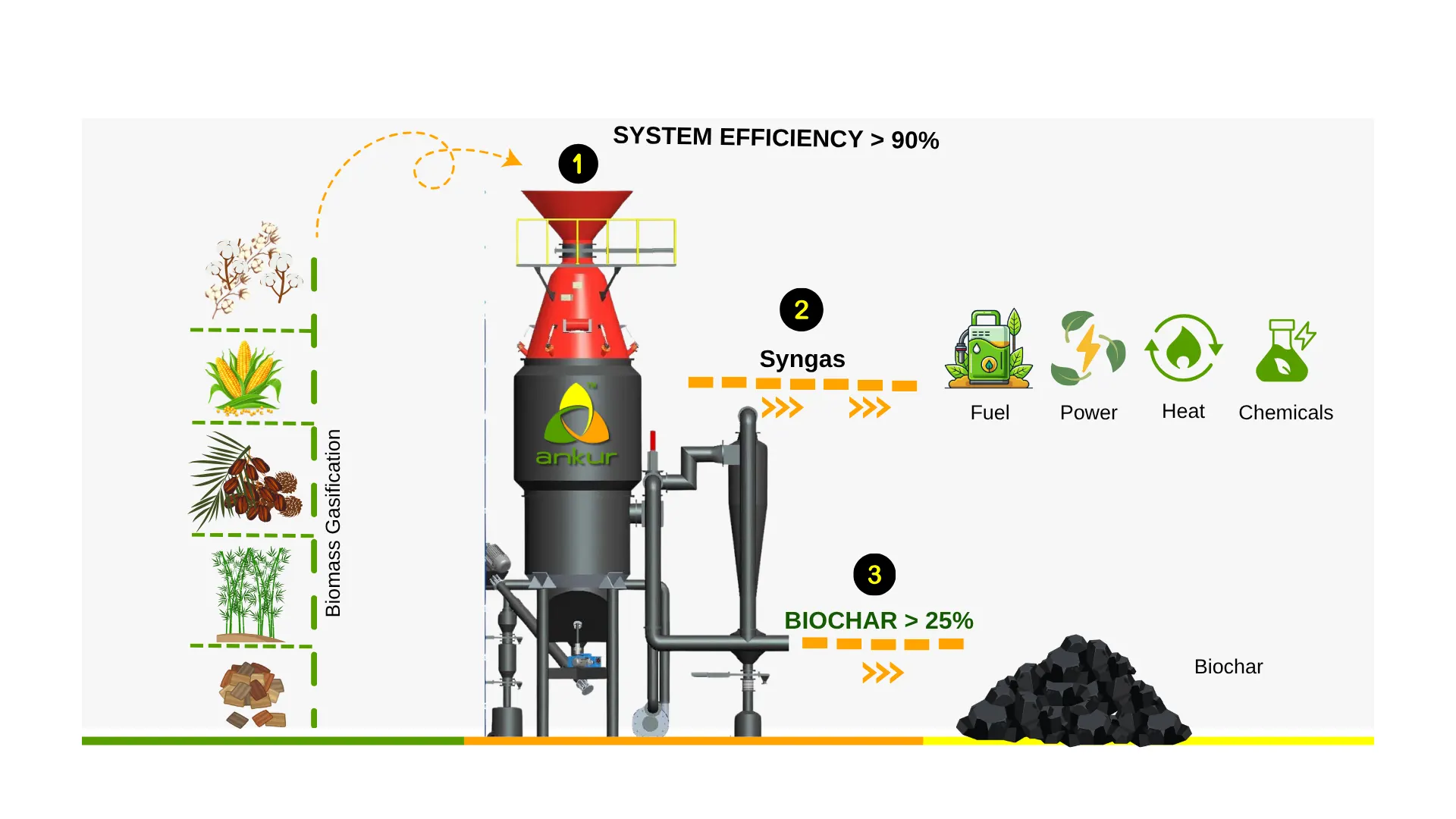
A next-generation process that converts biomass and waste into clean, high-energy syngas—while producing biochar for carbon sequestration. Engineered for efficiency, flexibility, and low emissions, our Pyro Gasification systems deliver reliable energy across diverse industrial applications. ISOMETRIC-Approved PG-series Pyro Gasification systems qualify for CoRC generation.

Pyro Gasification

Why Biochar Matters Today

  • Rising energy costs and carbon regulations are forcing industries to rethink fuel and waste.
  • Biochar offers a rare dual advantage:
  • → Immediate energy generation (via syngas)
  • → Long-term carbon removal (via biochar)
  • It enables:
  • Reduced fuel dependency (LNG/LPG replacement)
  • Carbon credit opportunities
  • Waste-to-value conversion
  • As global markets move toward carbon accountability, biochar is no longer optional—it is strategic.
Earth Illustration

Biochar: More than Just Carbon Removal

The Future of Sustainable Industry Starts here.

Biochar Benefits

Biochar is not just a product. It is a pathway — from waste to energy, from carbon to permanence, from today’s challenges to tomorrow’s resilience.

Turn your waste into energy. Lock your carbon into permanence. Build a future-ready operation with biochar.

Biochar Visual
Biochar