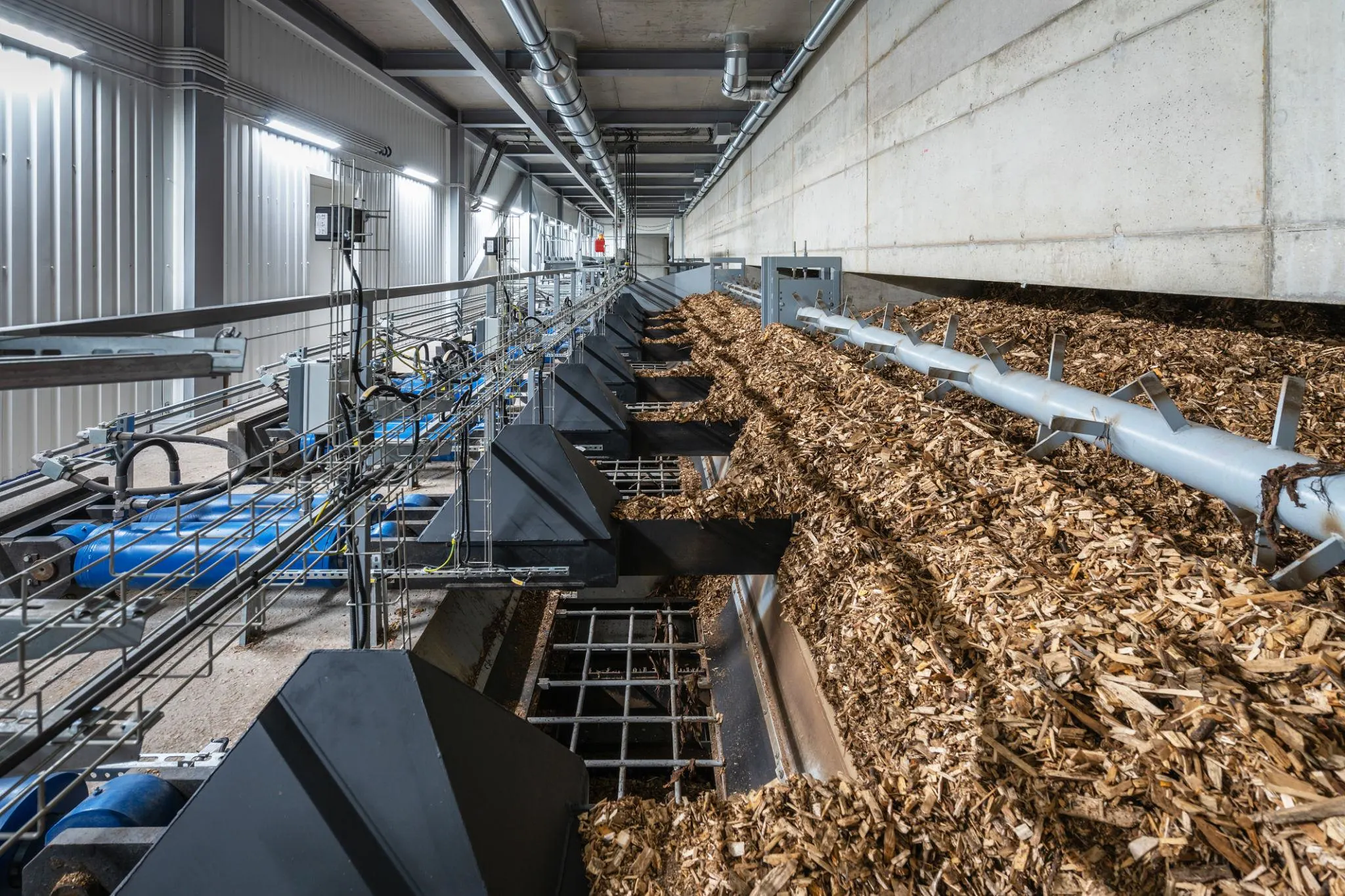
As industries grapple with rising fuel costs, carbon regulations, and uncertain energy supply, one question is becoming urgent: Is there a reliable, scalable, and truly sustainable alternative to fossil fuels? The answer lies in biomass gasification.
What is Biomass Gasification?
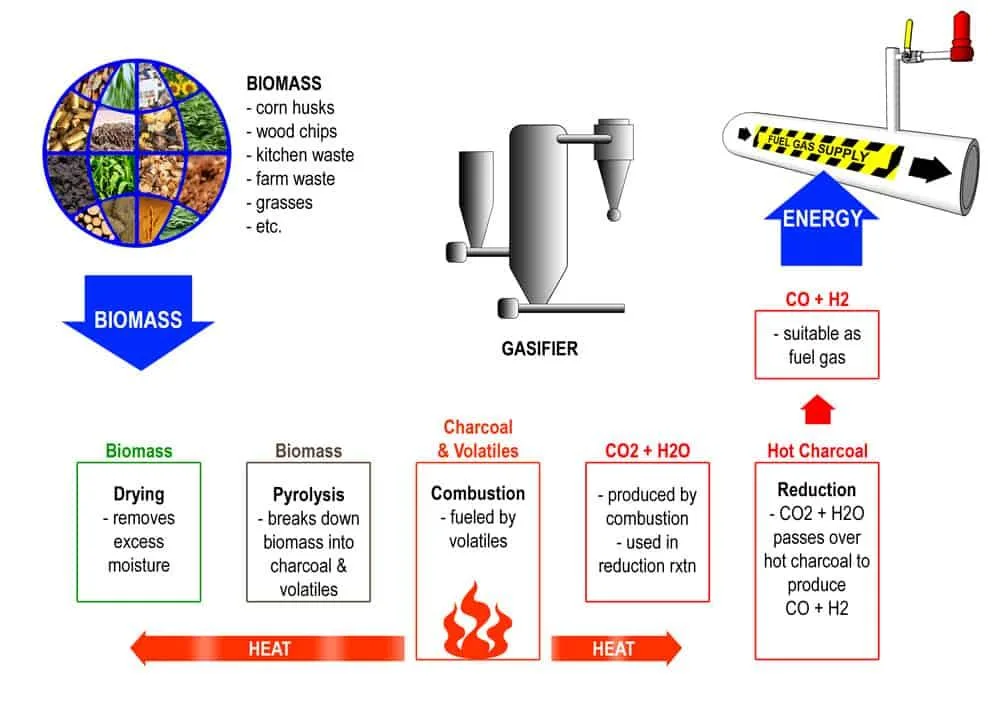
Biomass gasification is a thermochemical process that converts organic materials — such as agricultural residues, wood chips, and industrial biomass waste — into a clean, combustible gas known as syngas.
Unlike traditional combustion, gasification operates in a controlled, low-oxygen environment. This ensures:
Higher Efficiency
More energy extracted per unit of feedstock compared to direct combustion methods.
Lower Emissions
Significantly reduced particulate matter, SOx, and NOx versus coal or furnace oil burning.
Greater Control
Precise control over energy output, gas composition, and process parameters.
Feedstock Versatility
Compatible with 60+ types of biomass feedstocks across agricultural and industrial sources.
The result is syngas — a versatile fuel that can be used for:
Process Heat in Industries
Power Generation
Fossil Fuel Replacement (Coal, FO, LNG)
From Waste to Value
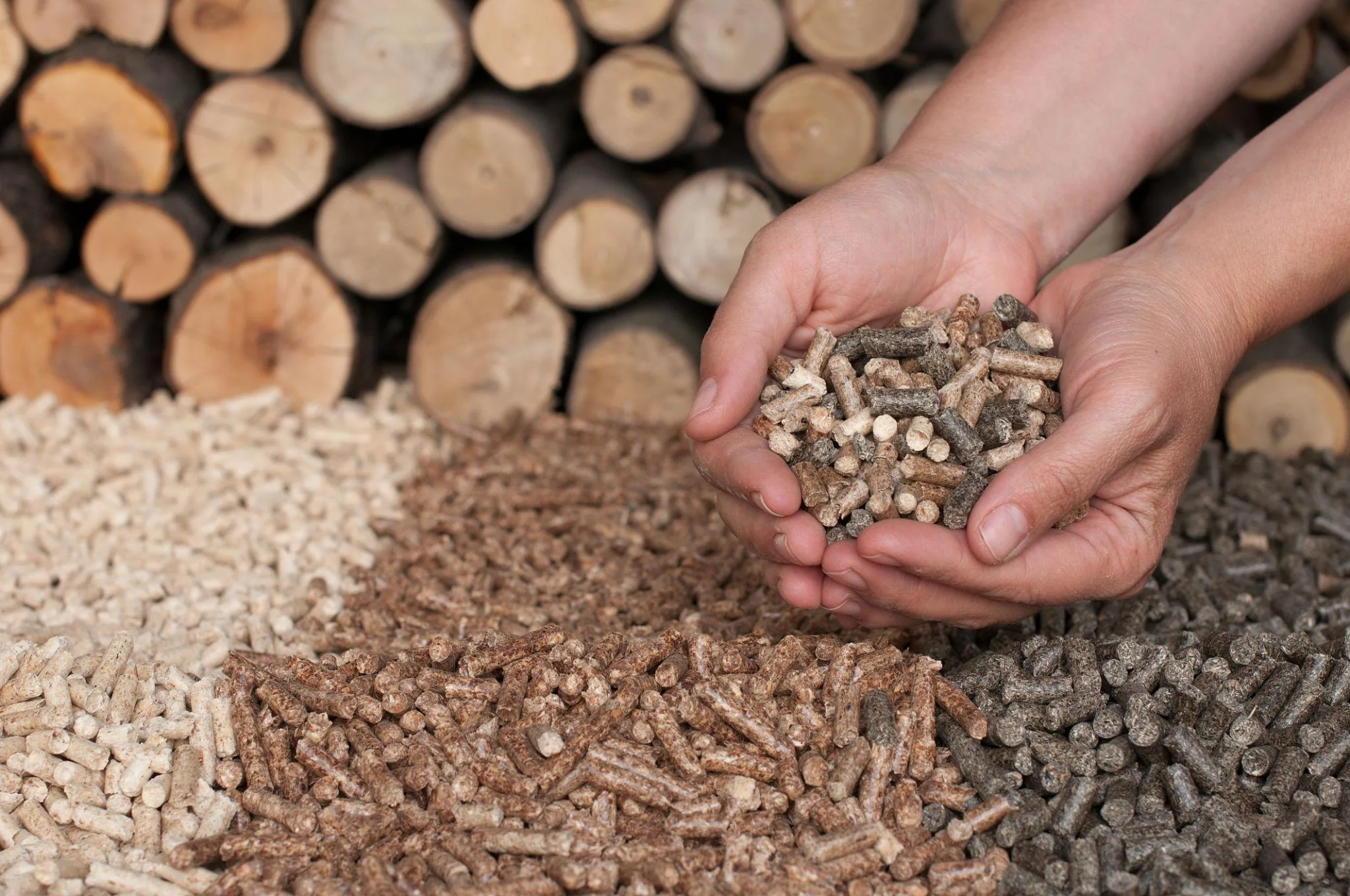
What makes gasification truly powerful is its ability to convert low-value biomass into high-value energy. Across industries — from ceramics in Morbi to chemicals in Ankleshwar — biomass waste is abundant. Traditionally underutilized, this feedstock can now:
- Reduce dependency on expensive imported fuels
- Stabilize energy costs against global market volatility
- Turn a waste disposal problem into a revenue stream
🔑 Common Feedstocks for Gasification
The Biochar Advantage

Beyond syngas, gasification produces a powerful byproduct: biochar. Far more than residue, biochar is a multi-dimensional asset.
Soil Enhancer
Improves soil fertility, structure, and water retention when applied to agricultural land.
Carbon Sink
Locks carbon into the ground for hundreds to thousands of years — a verified carbon-negative outcome.
Carbon Credits
Generates Carbon Removal Credits (CorCs) tradeable in voluntary carbon markets globally.
ESG Alignment
Directly supports net-zero targets and ESG reporting for corporations and industries.
In a world moving toward decarbonization, biochar bridges the gap between energy generation and carbon removal — from the same system.
Why Industries Are Shifting to Gasification
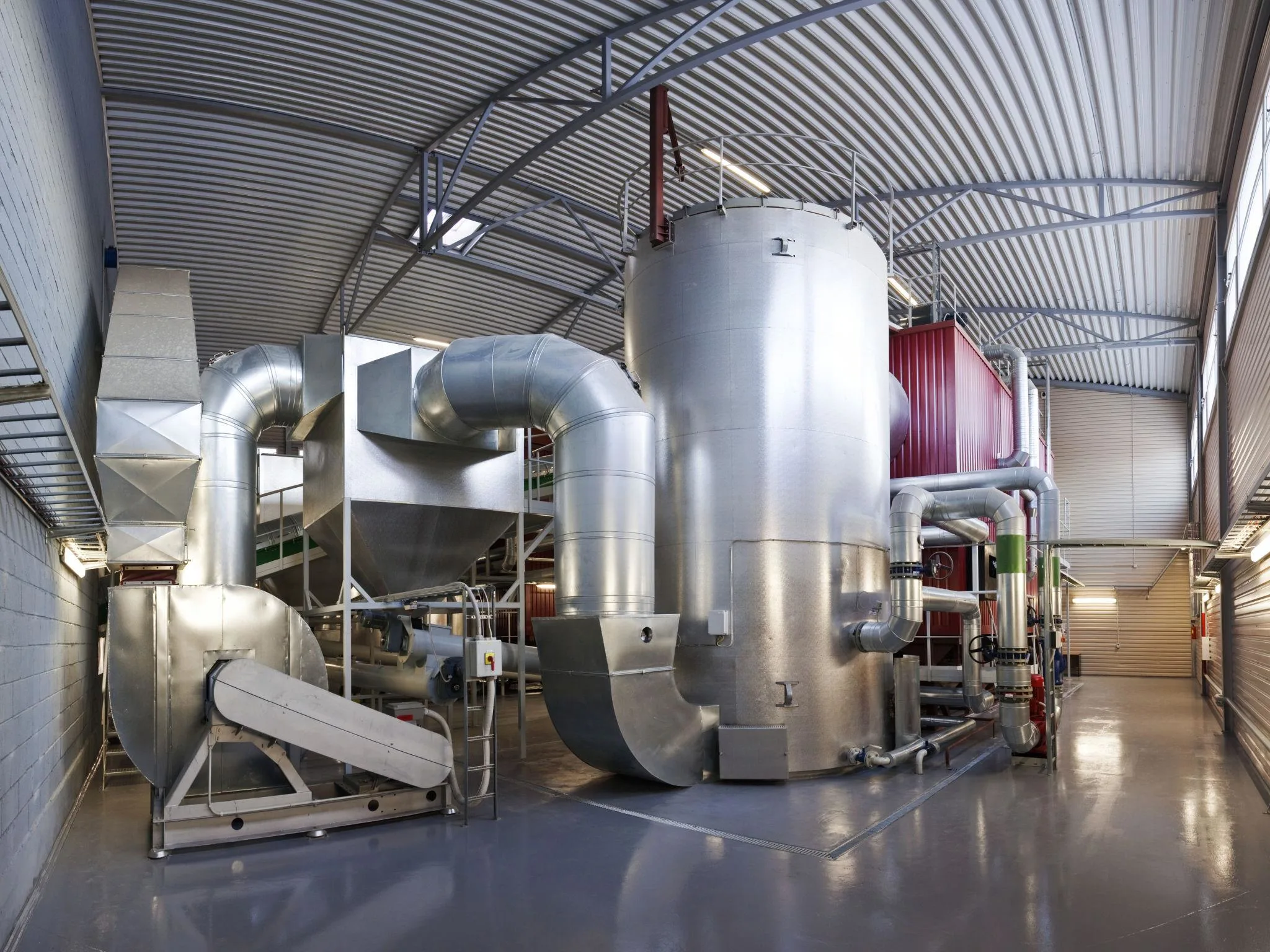
Industries today are under pressure — from both economics and sustainability goals. Biomass gasification offers a rare combination that addresses both simultaneously.
It is not just an alternative fuel source — it is becoming a strategic competitive advantage for forward-thinking manufacturers.
Ankur Scientific: 40 Years of Innovation in Biomass Energy
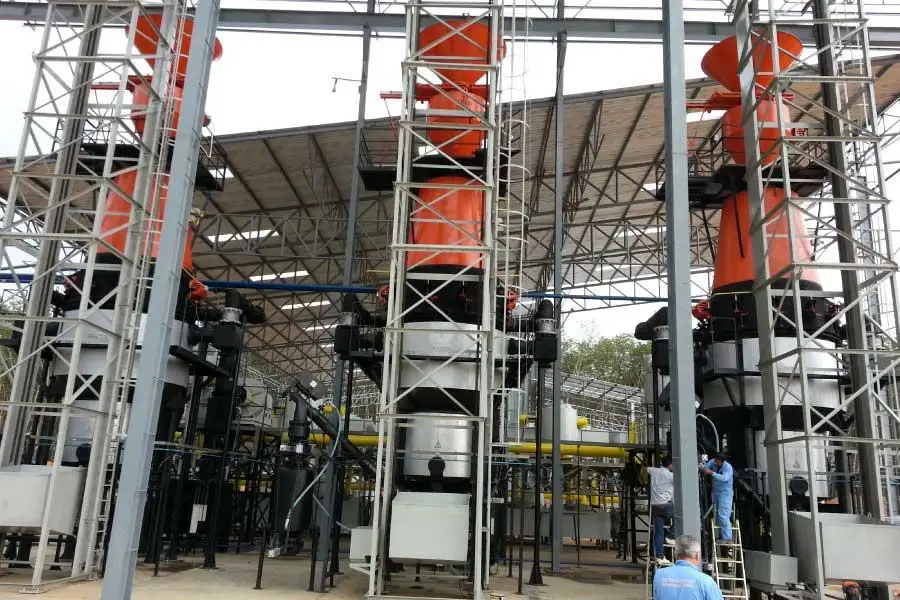
For over four decades, Ankur Scientific Energy Technologies Pvt. Ltd. has been at the forefront of biomass gasification technology — building real-world systems that perform across the harshest industrial conditions.
🌐 From Samoa to Mexico — Proven Global Expertise
From the islands of Samoa to the deserts of Mexico, Ankur Scientific's technology has proven its adaptability and reliability in real-world conditions across diverse climates, industries, and feedstocks.
Engineering Beyond Energy — their systems are designed to:
- Maximize efficiency while minimizing emissions at every output level
- Integrate seamlessly into existing industrial processes without disruption
- Deliver consistent performance across varying feedstock compositions
The Road Ahead: Decarbonization at Scale
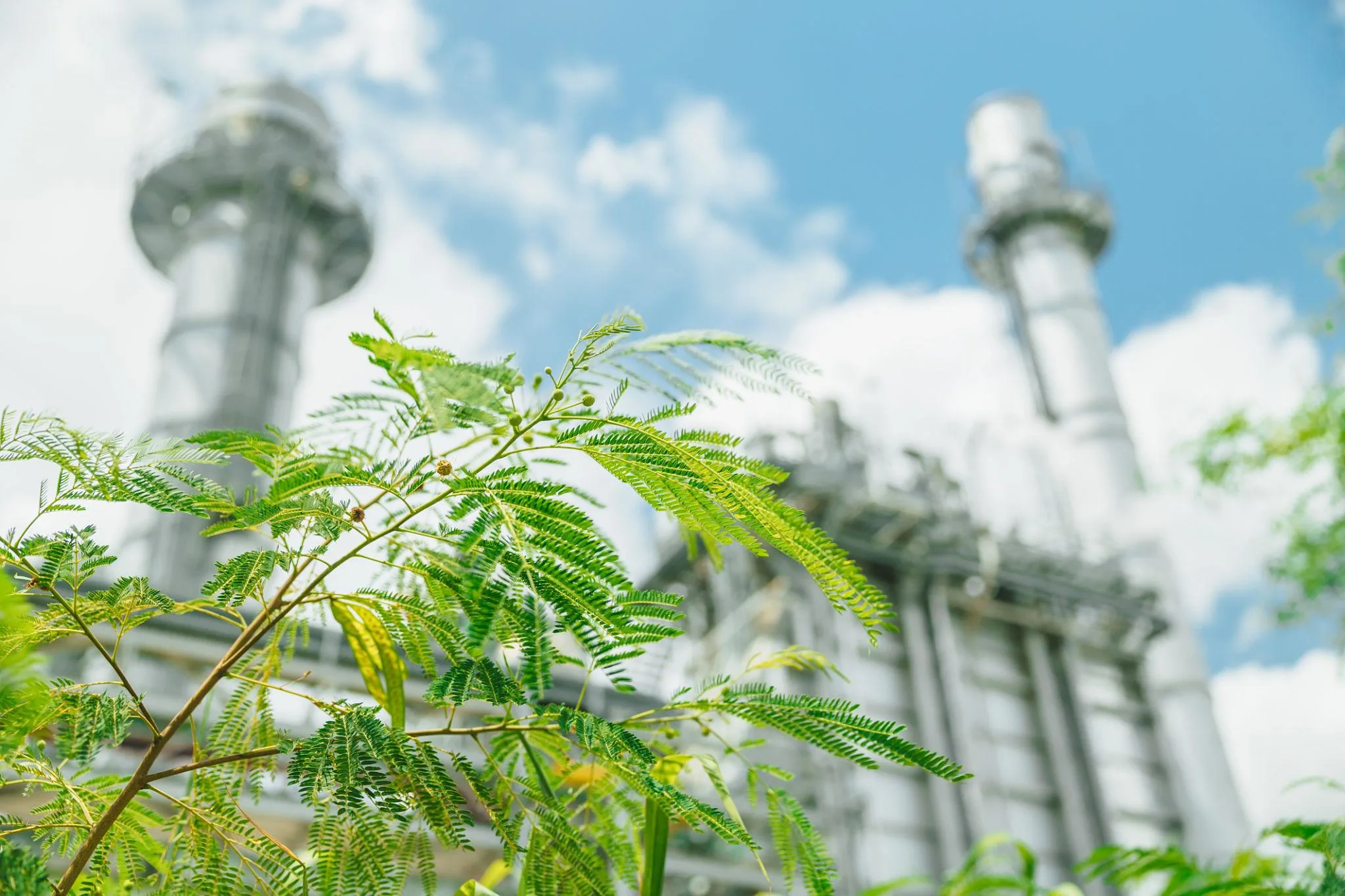
The global shift toward clean energy is no longer optional — it is inevitable. Biomass gasification stands at the intersection of three converging megatrends:
Energy Transition
Waste Management
Carbon Sequestration
Companies like Ankur Scientific are enabling industries to move from compliance to leadership — not by forcing costly trade-offs, but by making sustainability the most economically rational choice.
Conclusion: More Than Energy
Biomass gasification is not just about producing a cleaner fuel. It is about fundamentally rethinking how industry interacts with energy, waste, and the natural world.
-
🔄Rethinking Waste — Every ton of biomass waste is a ton of untapped energy and carbon value waiting to be unlocked.
-
⚡Redefining Energy — Moving from price-volatile fossil dependence to stable, locally-controlled energy systems.
-
🌿Restoring Ecological Balance — Sequestering carbon, improving soils, and reducing atmospheric greenhouse gases simultaneously.
For industries willing to adapt, it offers something rare: a solution that is economically viable, environmentally responsible, and future-ready.
📩 Ready to Explore Biomass Gasification?
Whether it's replacing furnace oil in a ceramic kiln or enabling a waste-to-energy system — Ankur Scientific has a solution built for your plant.
Connect with Ankur Scientific.png)